Why Hire a Local Lawn Maintenance Company

Cindy Dalecki • September 12, 2023

The Benefits of Choosing a Local Provider
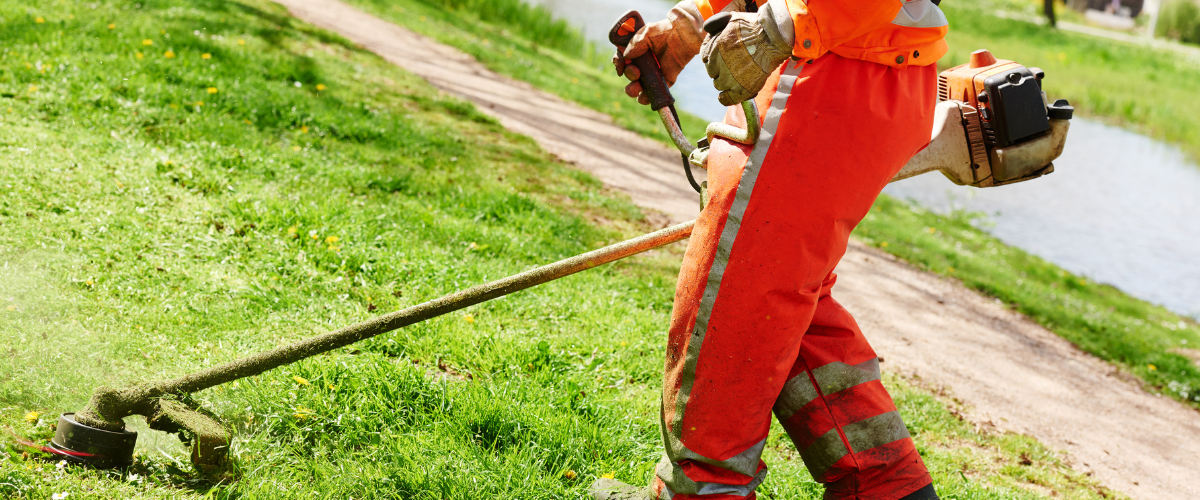
As we strive for modernization and convenience in our everyday lives, it’s easy to forget about the little things that can make a significant difference. When it comes to lawn maintenance, you may not think twice about hiring a big chain company with a big marketing budget, but have you considered the benefits of supporting a family-owned lawn maintenance business? Here are a few reasons why you should.

Personal Touch
One of the significant benefits of working with a family-owned lawn maintenance business is the personalized attention that you’ll receive. Family-owned companies take pride in the work that they do and put a lot of effort into providing the best services to their clients. You’re not just another client in a sea of thousands; you’re a valued customer whose satisfaction is critical to the success of their business. When you work with a family-owned company, you can expect exceptional service and attention to detail that larger companies simply can’t offer.

Supporting Local Business
By choosing a family-owned lawn maintenance business, you’re helping to support the local economy. The money you spend stays within your community, helping to stimulate growth and create more job opportunities. You’re not only getting excellent service but also giving back to your community in a meaningful way.

Flexibility
Family-owned lawn maintenance businesses have the advantage of being flexible with their services. Unlike large chains, they’re not bound by strict corporate policies and procedures. Family-owned companies are typically more adaptable to their client's unique needs and are willing to work with you to create a personalized maintenance plan that fits your budget.

Expertise
Family-owned lawn maintenance businesses often have years of experience in the industry and a passion for their work. They’ve been able to fine-tune their craft, making them experts in their field. Working with a company that has this level of knowledge and expertise means you can trust them to handle your lawn with care and precision.
In conclusion, when you support a family-owned lawn maintenance business, you’re not just getting quality service; you’re also helping to support the local economy, receiving a personal touch, having access to flexible services, and working with experts in their field. Consider the benefits of supporting family-owned businesses, and choose to give back to your community today. If you are interested in improving the look of your lawn and freeing up time to spend with your family, contact Kennedy Landscaping today at 386-547-3864.

Tan and brick house with a two-car garage, manicured lawn, and blue sky.
January 19, 2026
Late January in Central Florida is the sweet spot for getting ahead. Growth is still slower, the weather is usually comfortable, and a little proactive work now can prevent common spring headaches like weeds, patchy turf, and overgrown beds. If you want your property looking its best when spring arrives, here are the smartest end-of-January moves to make. 1) Do a quick “winter damage” walk-through Before you add anything new, take 10 minutes to walk the property and look for: Thin or stressed areas in the lawn Broken branches or storm debris Plant beds that have washed out or lost mulch Drainage trouble spots (areas that stay soggy) Catching issues now makes repairs easier—and often less expensive—than waiting until peak growing season. 2) Get serious about weeds (before they spread) As temperatures start to bounce around, weeds can take advantage of slower turf growth. End-of-January is a great time to: Spot-treat visible weeds Tighten up mowing habits (proper height helps turf compete) Plan your pre-emergent timing for early spring (based on local conditions) A proactive weed plan now can make your lawn look dramatically cleaner by March. 3) Refresh bed edges and mulch for instant curb appeal If you want the fastest “before/after” improvement, this is it. Re-edge beds for clean, crisp lines Pull weeds and remove old debris Top off mulch to a consistent 2–3 inches Keep mulch a few inches away from plant stems and tree trunks This simple refresh makes the whole landscape look more intentional and professionally maintained. 4) Check irrigation and adjust for the season Many irrigation systems are still set too high from warmer months, or they’re running on autopilot. End-of-January checklist: Reduce run times if you’re seeing soggy spots Water early morning (avoid nighttime watering) Inspect for broken heads, leaks, and overspray Make sure coverage is even (dry corners are common) Smart irrigation adjustments help prevent fungus and protect roots—while saving water. 5) Prune selectively (and avoid common winter mistakes) Late winter is a good time for light shaping and removing dead or damaged growth, but it’s also when homeowners accidentally over-prune. Focus on: Removing dead, diseased, or hazardous branches Lightly shaping shrubs that are blocking walkways or windows Holding off on aggressive tropical pruning until the risk of cold snaps is lower If you’re unsure what to cut and what to leave, it’s worth getting a pro opinion—one bad pruning job can set plants back for months. 6) Plan your spring upgrades now (before schedules fill up) Spring is one of the busiest times for landscaping. Planning at the end of January helps you move first—especially if you’re considering: Seasonal color installations New plantings or landscape redesign Sod replacement or lawn recovery work Drainage improvements Landscape lighting upgrades Even if you don’t start the project immediately, having a plan keeps spring from turning into a scramble. Ready to get your landscape spring-ready? Kennedy Landscaping can help you tackle end-of-January cleanups, bed refreshes, irrigation checks, and seasonal planning—so your yard looks great now and performs even better when spring growth kicks in. Contact Kennedy Landscaping today to schedule a late-winter landscape checkup and get ahead of the spring rush.
Overhead view of a house with a driveway and a pool surrounded by green grass and trees.
January 7, 2026
January in Central Florida is a little different than “winter” in most places. Your lawn may slow down, but it doesn’t stop needing attention—especially after a busy holiday season, cooler nights, and occasional dry stretches. The good news: a few smart moves in January can prevent common problems (weeds, thinning turf, irrigation issues) and make spring lawn care easier and more effective. Here’s what to focus on now. 1) Adjust mowing (don’t scalp your grass) Warm-season grasses like St. Augustine, Bermuda, and Zoysia typically grow more slowly in January. That often leads homeowners to mow “extra short” to stretch time between cuts—but scalping can stress the lawn and invite weeds. Keep mowing as needed, but less frequently Avoid cutting more than one-third of the blade at a time Make sure mower blades are sharp for a clean cut 2) Watch for winter weeds before they take over Many Central Florida lawns see winter weeds pop up when turf growth slows. If you wait until weeds are everywhere, they’re harder to control—and they can crowd out healthy grass. Common winter weed troublemakers include: Chickweed Clover Annual bluegrass A proactive approach (spot treatment, proper mowing height, and a seasonal plan) helps keep weeds from becoming a springtime headache. 3) Check irrigation settings (most systems are still on “summer mode”) January usually means less evaporation and less plant water demand. If your irrigation schedule hasn’t changed since summer, you may be overwatering—one of the fastest ways to trigger fungus, root issues, and wasted water. Quick January irrigation checklist: Reduce run times and/or watering days Water early morning (not at night) Look for broken heads, leaks, or spray hitting sidewalks Make sure each zone is covering evenly 4) Clean up debris and protect turf from traffic Between holiday guests, cooler weather, and occasional storms, lawns can get compacted or smothered by leaves and debris. Remove leaves and branches so grass can breathe Pay attention to shaded areas (they stay damp longer) Limit heavy foot traffic on thin or stressed spots 5) Plan now for spring upgrades January is a great time to walk your property and make notes while growth is slower. You’ll see issues more clearly—thin areas, drainage problems, bed edges that need redefining, or spots that could use new plantings. Consider planning: A spring bed refresh (mulch, edging, seasonal color) Lawn recovery steps for thin or patchy areas Drainage improvements before rainy season returns A maintenance schedule that fits your property and goals Let Kennedy Landscaping help you start the year strong A healthy lawn in spring starts with smart decisions in winter. If you’d like help creating a seasonal plan, adjusting irrigation, tackling weeds, or keeping your property looking sharp year-round, Kennedy Landscaping is here for you. Contact Kennedy Landscaping today to schedule your January lawn and landscape checkup and start the new year with a yard you’ll feel proud of.